
Your Industry Insight
The 3rd IMPACCT Real World Evidence Summit Europe is your unique forum to more to explore cross-industry collaboration, strengthen integrated evidence planning, and accelerate the translation of real-world insights into impactful decisions that improve patient outcomes and market success.
Learn more about our speakers and what you can expect from the summit by downloading our exclusive speaker interviews.
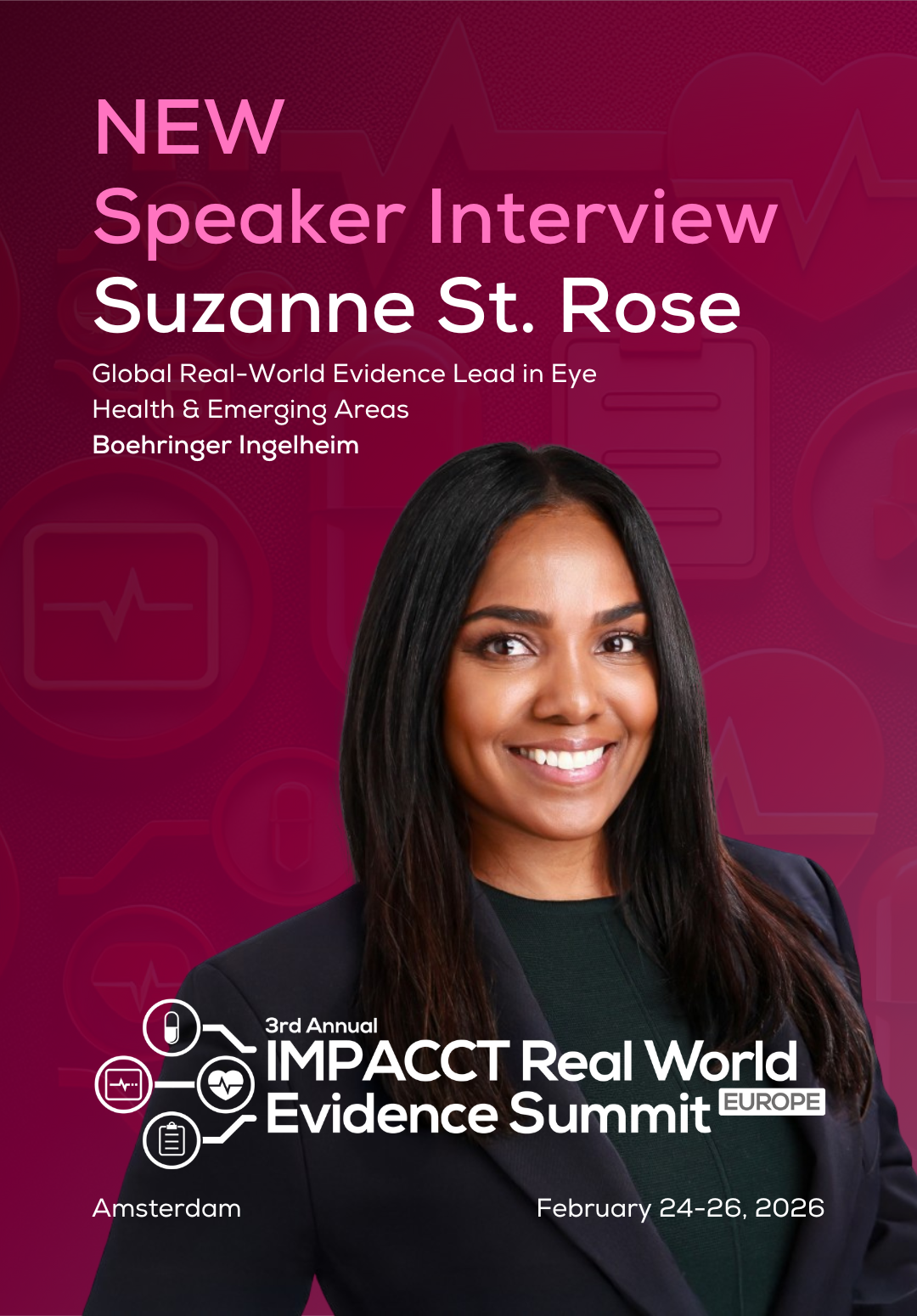
Suzanne St. Rose
Get direct insight from Suzanne St. Rose, Global Real-World Evidence Lead, Boehringer Ingelheim, as she discusses the evolving role of RWE, advances in data science, the European Health Data Space, and her upcoming presentation at the 3rd IMPACCT Real World Evidence Summit Europe:
Reflecting on the past decade, what do you see as the most significant shift in how real-world evidence is generated, interpreted, or applied across the product lifecycle?
Answer: Over the past decade, real-world evidence (RWE) has has shifted from being a supportive tool to becoming a strategic backbone that drives value across the entire product lifecycle. This transformation has changed the competitive landscape, with RWE now shaping portfolio strategies, speeding up regulatory approvals, and enhancing market access negotiations. Advances in data science, interoperability, and digital health have given us near real-time access to diverse, patient-centric data sources, going beyond traditional claims and registries. This has shifted our approach from static analyses to dynamic, predictive insights, allowing RWE to inform early development decisions, regulatory submissions, and post-market optimization. Ultimately, RWE has moved from being a compliance necessity to a core business enabler, creating differentiated solutions, improving patient outcomes, and significantly impacting speed-to-market and commercial success.
Which session at the 3rd IMPACCT Real World Evidence Summit Europe are you most looking forward to, and why does it stand out for you?
Answer: I’m especially excited about the session on “Driving Organisational Accountability: Making RWE Impact Visible Across Clinical, Medical & Access Teams.” It tackles one of the most pressing challenges in real-world evidence - proving its value and embedding it across functions. The emphasis on structured evaluation and robust data quality frameworks really speaks to my role, as these tools are critical for prioritizing initiatives that truly move the needle on clinical and market access outcomes. What makes this session stand out is its focus on cross-functional governance, fostering transparency and shared ownership - key ingredients for impactful evidence generation. I’m also eager to explore the practical strategies for demonstrating value beyond activity metrics, such as influencing prescriber behaviour and supporting HTA decisions. These approaches perfectly align with the need to showcase tangible impact throughout the product lifecycle.
What are your perspectives on the upcoming cross-country implementation of the European Health Data Space (EHDS), and its potential impact on RWE in Europe?
Answer: I view the European Health Data Space (EHDS) as a transformative opportunity to advance the way we generate and use evidence across countries. For years, fragmented data ecosystems have limited the scalability and comparability of real-world insights. EHDS offers a unified framework that improves interoperability and accelerates access to high-quality, standardized health data for research and innovation. This is a pivotal moment for us to strengthen partnerships, align governance models, and ensure our teams are ready to leverage this infrastructure responsibly. That said, challenges remain: harmonizing diverse national regulations, ensuring data quality and completeness, and building trust around privacy and security. Operational readiness will require significant investment in infrastructure and skills, as well as clear strategies for compliance and stakeholder engagement. If we act decisively, EHDS can position us at the forefront of evidence-driven healthcare, enabling faster, more impactful decisions for patients across Europe.
Can you share an example where real-world data meaningfully influenced a key decision, whether clinical, commercial, or regulatory, on a project you’ve been involved in?
Answer: For Mental Health assets, like Iclepertin and CT-155, we leveraged retrospective analyses of electronic health records (EHRs), claims data, and advanced NLP to identify patient cohorts and to confirm the clinical relevance of cognitive endpoints in schizophrenia trials. These RWD-driven insights helped align with FDA and EMA expectations for patient-centred outcomes, reducing the risk of protocol amendments and accelerating submission timelines.
What are you most excited to share in your upcoming presentation this February?
Answer: I’m excited to tackle the real blockers to RWE adoption - ownership confusion and comfort‑zone silos. These cultural barriers slow progress more than any technical challenge. Showing how to break them down and build shared accountability matters because it transforms RWE from a niche effort into a collective force for better, faster decisions.
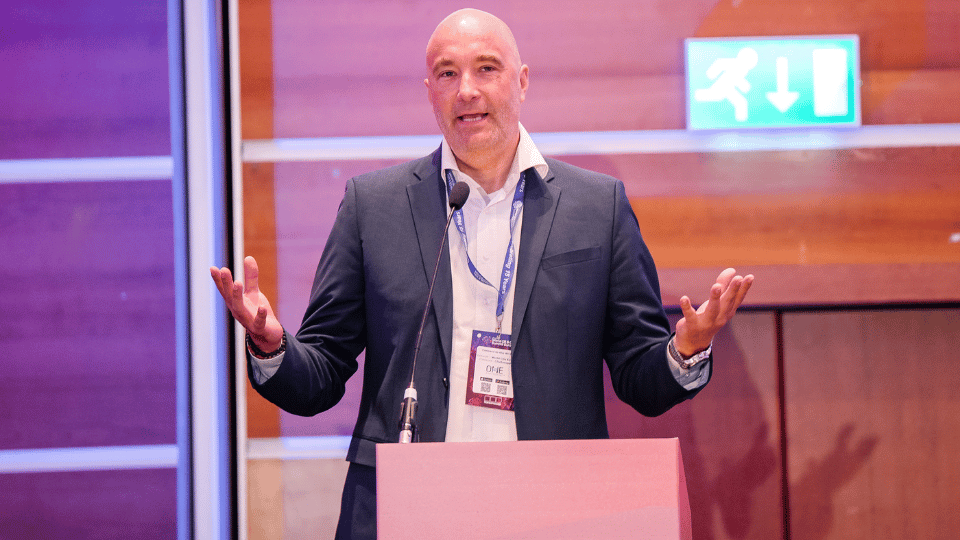
Explore the Agenda
Gain actionable insights through practical case studies and interactive sessions that help you access high-quality RWD, apply AI for credible evidence generation, and build integrated strategies that accelerate approvals and reimbursement decisions.
Partner With Us
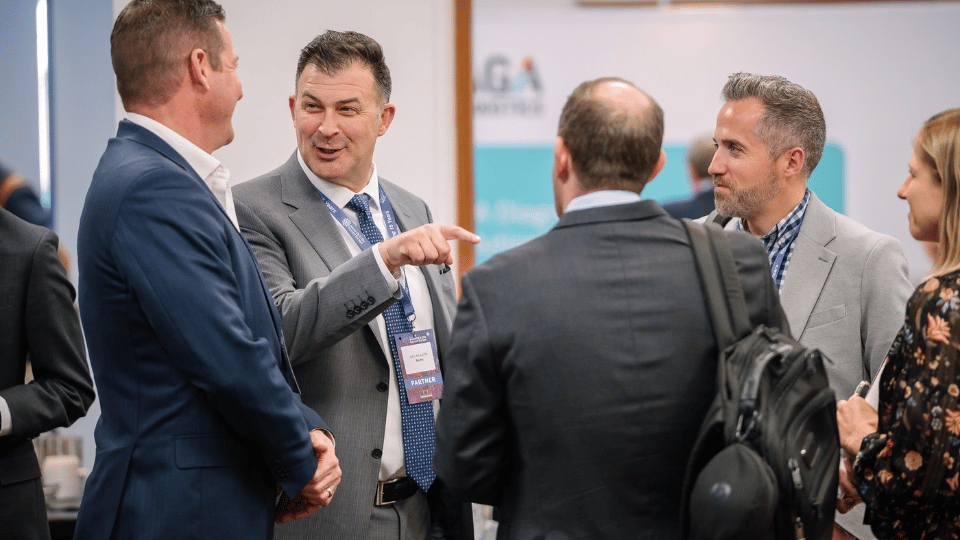
Showcase your data, analytics, and evidence solutions to the stakeholders driving RWE adoption in Europe, and position your organisation as a key enabler of faster, stronger value demonstration.
Join RWE Decision-Makers
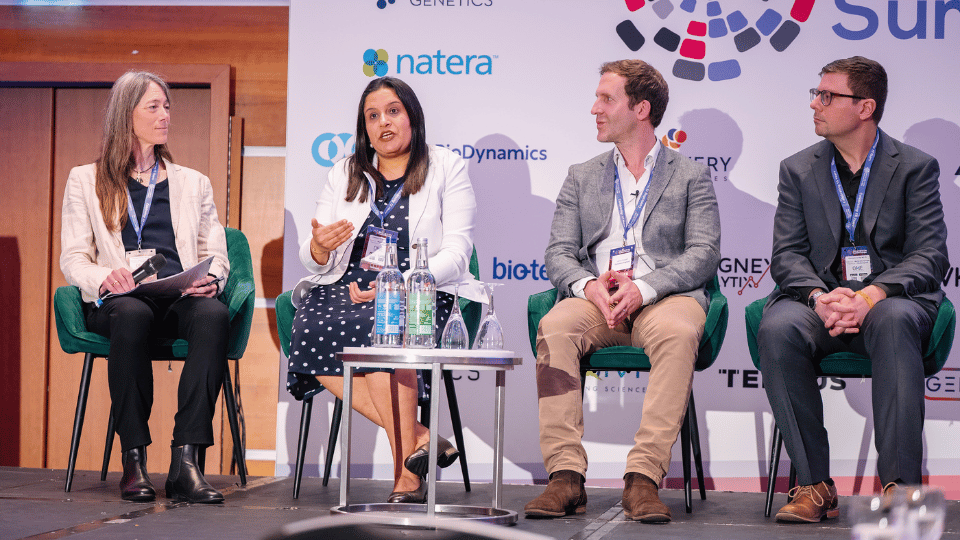
Connect with industry leaders shaping the future of RWE to share best practices, elevate evidence standards, and advance real-world insights that influence regulatory and payer outcomes.